
Tracking technology has become an important part of modern life. From finding lost belongings to monitoring vehicles, managing deliveries, measuring fitness activities, and analyzing website behavior, tracking systems are used in many different situations. One term that has started appearing in online searches is Tracqueur.
But what exactly does Tracqueur mean?
The answer can depend on the context. Online, Tracqueur is generally associated with the idea of a tracker or tracking system. It can refer broadly to technology designed to monitor location, movement, activity, or information. The term is also closely related to the French word “traqueur,” which is commonly translated as “tracker” in English.
In this guide, we will explain Tracqueur in simple language, explore how tracking technology works, discuss common types and uses, and look at important privacy considerations.
What Is Tracqueur?
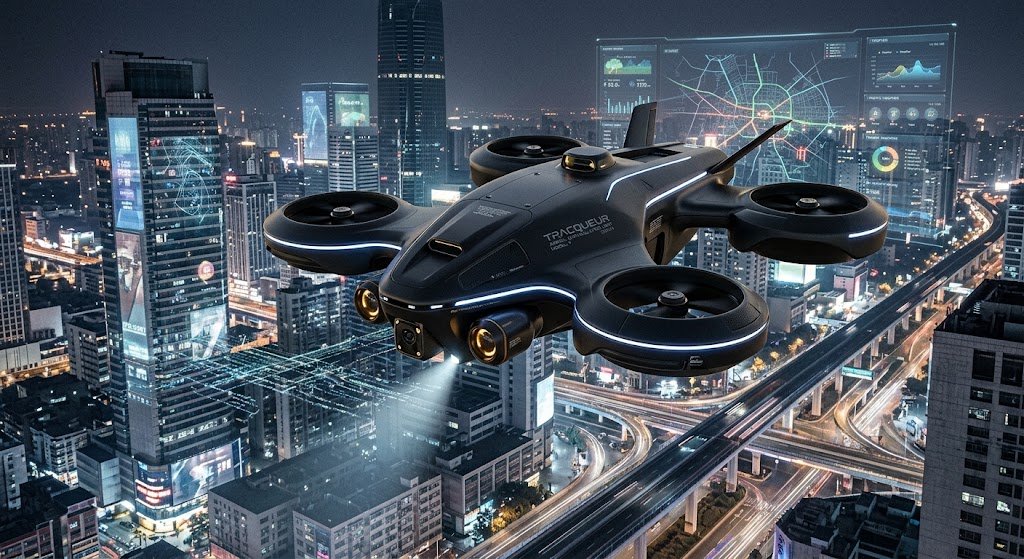
Tracqueur can generally be understood as a tracker, tracking tool, or tracking system. It may describe a physical device, software application, or digital system that collects information about the location, movement, or activity of something.
For example, a tracking system could be used to:
- Locate a vehicle
- Find lost luggage
- Track valuable equipment
- Monitor a delivery
- Locate a pet
- Measure fitness activity
- Analyze website visits
- Manage business vehicles
- Monitor digital performance
It is important to understand that Tracqueur does not necessarily refer to one specific product or technology. The term is used broadly online, so the exact meaning depends on the context.
Tracqueur vs. Traqueur vs. Tracker
One of the biggest reasons people become confused about Tracqueur is the spelling.
The French word “traqueur” is the established spelling and is associated with someone or something that tracks or pursues a target. In English, the closest common equivalent is “tracker.” The spelling “Tracqueur” appears online as a variant or keyword associated with tracking technology.
These terms can be understood like this:
| Term | General Meaning |
|---|---|
| Tracqueur | Online spelling associated with tracking |
| Traqueur | French term related to a tracker or pursuer |
| Tracker | Common English term |
| GPS Tracker | Device used to determine or report location |
| Digital Tracker | Software or technology that monitors digital activity |
Therefore, someone searching for “Tracqueur meaning” may actually be looking for information about trackers, GPS devices, tracking software, or the French word traqueur.
How Does a Tracqueur Work?
The way a Tracqueur works depends on the type of tracking technology involved.
A GPS-based tracker typically uses signals from satellites to calculate its geographical position. The device may then send this information through a cellular network or another communication system to a server or mobile application.
Bluetooth trackers work differently. They use short-range Bluetooth communication and may interact with nearby compatible devices to help determine where an item is located.
Digital tracking systems also operate differently. Websites and applications can use technologies such as cookies, analytics tools, advertising pixels, and device identifiers to understand user activity.
Although these technologies work differently, the basic process is similar:
Collect → Process → Transmit → Display
The system collects relevant information, processes it, sends it to another system when necessary, and presents useful information to the user.
Types of Tracqueur and Tracking Systems
There are many different types of tracking technology available today.
1. GPS Trackers
GPS trackers are designed to determine the geographical location of an object or device. They are commonly used for vehicles, equipment, logistics, and other assets.
Vehicle tracking systems can help businesses understand where their vehicles are and improve fleet management.
2. Bluetooth Trackers
Bluetooth trackers are generally small and portable. They can be attached to everyday belongings such as keys, bags, luggage, or other valuable items.
Their main purpose is usually to help users find things that have been misplaced.
3. Vehicle Tracking Systems
Businesses with multiple vehicles can use tracking systems to monitor fleet locations, routes, and activity.
This can make logistics management easier and help organizations understand how vehicles are being used.
4. Pet Trackers
Pet tracking devices can help owners locate pets if they become lost. Depending on the product, the technology may use GPS, cellular networks, Bluetooth, or a combination of technologies.
5. Fitness Trackers
Fitness trackers monitor physical activity and can record information such as steps, movement, exercise sessions, or other metrics.
These devices demonstrate that tracking is not always about location. Tracking can also mean measuring activity and performance.
6. Digital Trackers
Digital trackers operate in websites, applications, and online services. They can collect information about interactions such as visits, clicks, sessions, and conversions.
Businesses often use analytics tracking to understand how visitors interact with their websites.
Common Uses of Tracqueur Technology
Tracking technology has practical applications in many industries.
Personal Use
Individuals can use trackers to locate belongings, vehicles, luggage, or pets. A small tracking device can provide additional peace of mind when carrying something valuable.
Business and Logistics
Companies can use tracking systems to manage vehicles, shipments, equipment, and other assets. This can improve visibility throughout a supply chain.
Security
Tracking systems can support asset recovery and help organizations monitor valuable equipment.
However, tracking should always be performed responsibly and according to applicable laws and privacy requirements.
Fitness
Wearable trackers can record activity and help users understand their exercise habits and progress.
Digital Marketing
Online tracking tools allow businesses to understand website traffic, advertising performance, conversions, and customer interactions.
Benefits of Tracqueur Technology
When used appropriately, tracking technology can provide several benefits.
Better visibility: Users can understand where an asset or device is located.
Convenience: Trackers can make it easier to find misplaced belongings.
Improved business management: Companies can monitor fleets, deliveries, and assets more effectively.
Data-based decisions: Digital tracking can provide useful information for analyzing performance.
Security and recovery: Location tracking may help recover lost or stolen property when used legally and appropriately.
The usefulness of a tracker ultimately depends on the technology, its accuracy, reliability, and how responsibly it is used.
Privacy and Responsible Tracking
While tracking technology can be useful, privacy is an important consideration.
A tracker should not be viewed simply as a way to monitor anyone or anything without restrictions. Tracking another person without their knowledge or appropriate authorization can create serious privacy and legal concerns.
Responsible tracking means understanding:
- What information is being collected
- Why the information is collected
- Who can access it
- How long it is stored
- How it is protected
- Whether appropriate permission is required
For digital tracking, websites and applications should also provide appropriate privacy information and follow applicable data-protection requirements.
The key principle is simple: use tracking technology for legitimate purposes and respect privacy.
Is Tracqueur the Same as a GPS Tracker?
Not necessarily.
A GPS tracker is one particular type of tracking technology. It uses GPS to determine location, while the broader concept of Tracqueur can include GPS devices, Bluetooth trackers, software systems, fitness trackers, and other tracking technologies.
For example, a Bluetooth item finder may be considered a tracker even though it does not operate in exactly the same way as a traditional GPS tracker.
This is why it is better to think of Tracqueur as a broad tracking-related term rather than automatically assuming it means one particular GPS device.
Why Is Tracqueur Becoming a Popular Search Keyword?
The growing interest in tracking technology is one reason terms such as Tracqueur appear frequently in online content.
Modern users regularly interact with tracking systems without necessarily thinking about them. People track packages, vehicles, fitness activities, website traffic, advertising results, and personal belongings.
This makes tracking a broad technology category with applications in everyday life, business, transportation, fitness, security, and digital services.
The unusual spelling of Tracqueur also creates curiosity. Someone encountering the word may naturally search for its meaning, origin, or relationship with the more familiar word “tracker.”
How to Choose the Right Tracking Technology
If you are considering a tracking device or service, avoid choosing one based only on the word “Tracqueur.” Instead, identify what you actually need to track.
Consider these factors:
Purpose: Are you tracking a vehicle, bag, pet, equipment, or digital activity?
Technology: Does the solution use GPS, Bluetooth, cellular connectivity, Wi-Fi, or another method?
Range: How far does the tracker need to work?
Battery life: A portable device may need regular charging or a long-lasting battery.
Accuracy: Consider how precise the location information needs to be.
Privacy: Understand what information is collected and how it is handled.
Cost: Compare both the initial device price and any ongoing subscription fees.
These factors can help you select a solution that actually fits your needs.
Final Thoughts
Tracqueur is best understood as a tracking-related term associated with trackers and tracking technology. It can refer broadly to systems that monitor location, movement, activity, or digital behavior.
The word is closely related to the French “traqueur” and the English “tracker,” although the exact spelling and meaning can vary depending on the context. Current online usage commonly connects Tracqueur with GPS tracking, Bluetooth devices, vehicle tracking, digital monitoring, and other tracking systems.
Tracking technology can be extremely useful when applied responsibly. It can help people find belongings, manage vehicles, monitor assets, understand business performance, and keep track of personal activities.
At the same time, privacy should never be overlooked. The best tracking solutions combine useful technology with transparency, security, and responsible use.
If you are researching Tracqueur, the most important thing to remember is that it is not necessarily the name of one specific device. Instead, it is a term that can lead to a much broader discussion about trackers, location technology, digital monitoring, and the rapidly growing world of tracking systems.